Just about everyone has their own individual concepts about Low Water Pressure in the House?.

Low water stress in your home can be a frustrating trouble, affecting every little thing from showering to washing meals. If you're experiencing weak water flow, there are a number of feasible causes and remedies to explore. In this overview, we'll talk about usual factors for low water stress and sensible steps to attend to the concern effectively.
Intro to Low Tide Pressure
Low water stress takes place when the flow of water from your taps, showers, and various other components is weaker than usual. This can make everyday jobs more tough and less reliable. Understanding the causes of low tide stress is important to finding the best service.
Typical Reasons For Low Water Pressure
Pipe Obstructions
Gradually, pipes can end up being clogged with mineral deposits, debris, or particles, restricting the flow of water. This is an usual problem in older homes with galvanized steel pipelines.
Rust
Corrosion within pipelines can result in leaks and minimized water pressure. Corrosion build-up can restrict water circulation, particularly in aging plumbing systems.
Faulty Stress Regulators
Stress regulators are in charge of maintaining constant water stress in your home. If they malfunction, it can lead to low tide pressure or unequal circulation throughout the house.
Local Water System Issues
Sometimes, the problem exists outside your home. Municipal water issues, such as main line leakages or maintenance work, can briefly lower water pressure in your area.
How to Identify Low Water Pressure
Checking Taps and Fixtures
Begin by evaluating the water pressure at various faucets and fixtures throughout your home. If the concern is separated to details locations, it may indicate local issues.
Evaluating Pipelines
Examine visible pipelines for signs of leakages, rust, or blockages. Pay attention to any type of uncommon noises, such as knocking or rattling pipes, which can suggest concerns within the plumbing system.
Consulting with a Plumber
If you're unable to determine the reason for low water stress, consider employing a specialist plumber to conduct a thorough evaluation. They can recognize underlying concerns and recommend proper solutions.
DIY Solutions to Take Care Of Low Tide Stress
Cleaning Aerators and Showerheads
Natural resources can build up in aerators and showerheads, reducing water flow. Eliminate and clean these elements routinely to boost water pressure.
Flushing Water Heater
Debris buildup in the hot water heater can restrict circulation and decrease efficiency. Flushing the tank occasionally helps get rid of sediment and maintain optimum performance.
Checking Stress Regulatory Authority
Make sure that the pressure regulator is operating properly. Adjusting or changing the regulator can assist recover appropriate water stress throughout your home.
Clearing Clogs in Piping
For minor obstructions, try utilizing a plumbing serpent or chemical drain cleaner to clear blockages in pipes. Be cautious when making use of chemicals and adhere to security standards.
When to Call a Specialist Plumber
If DIY initiatives fall short to deal with the problem or if you presume substantial plumbing troubles, it's best to seek help from a qualified plumber. They have the competence and tools to attend to complicated problems safely and efficiently.
Preventive Measures to Preserve Water Pressure
Routine Maintenance
Arrange regular upkeep for your plumbing system to avoid concerns such as deterioration, leaks, and obstructions. Attending to small problems early can aid stay clear of more considerable repair work later.
Installing a Pressure Booster
Take into consideration setting up a pressure booster pump to boost water stress in locations with regularly reduced flow. This can be especially advantageous for multi-story homes or residential or commercial properties with high-demand fixtures.
Tracking Water Use
Be mindful of water use behaviors and avoid overtaxing the plumbing system. Easy adjustments, such as staggering showers and laundry tons, can assist keep adequate water pressure.
Final thought
Dealing with low water pressure can be aggravating, however determining the underlying causes and carrying out proper options can bring back optimum circulation throughout your home. Whether it's cleansing aerators, evaluating pipelines, or seeking advice from a plumber, taking aggressive steps can guarantee a steady supply of water for your day-to-day needs.
HOW TO FIX LOW WATER PRESSURE IN YOUR HOUSE (EXPERT GUIDE)
The morning shower lacking any real pressure? Bathtub taking hours to fill? Or maybe you’re dissatisfied with the inadequate performance from your combi boiler?
Then you, like millions of others across the UK, might be experiencing low water pressure.
Fortunately, the good news is that you don’t have to continue living this way. The cause of low water pressure in the home is often quite simple, and you may not even require a plumber to fix the problem.
What causes low water pressure in the house?
If you are experiencing issues with water pressure throughout your home, then you may have one of the problems outlined below.
Most of these problems can be fixed quite easily, but for others, you may need to contact a plumber.
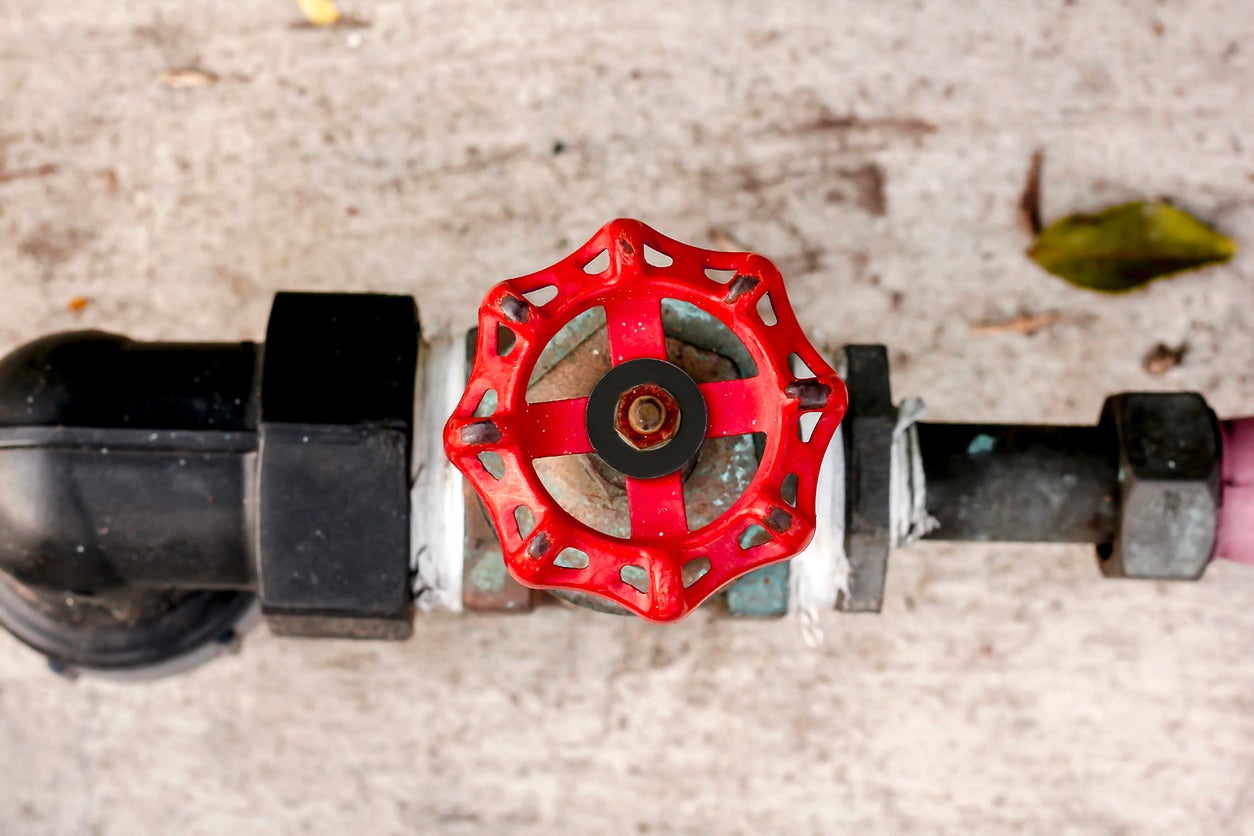
Obstructed Shutoff Valve
If you’ve just bought a new home or recently had building work conducted on your property, there is a chance that your water valves were not fully opened.
If the water valve is partially closed, then you may be restricting the amount of water entering your home. To fix this, simply ensure the valve is fully open.
If the valve appears fully open but you are still encountering reduced water pressure, then the valve may be broken. If this is the case, do not under any circumstances try to fix it without proper training.
Often found under your kitchen sink, a water valve will usually look like a bright yellow handle.
Again, if you believe the water valve is broken, contact a plumber immediately.
Leaks in Your Water Pipes
Leaks are the worst-case scenario when it comes to low water pressure.
If the water pipes are damaged, then this will cause low water pressure, as not all the water will make it to your taps.
After you’ve checked to see if the valve is fully open, you can conduct a leak check of your home. Now, this may seem scary, but it is actually quite simple.
Clogged Water Pipes
Clogged water pipes are one of the most common causes of low water pressure.
These clogs usually build-up when your home is supplied water via iron pipes. Iron is particularly vulnerable to rusting which can then break off and cause an obstruction within your system. You also face the problem of things like dirt, gravel or sand entering creating mineral deposits which further block water flowing from the mains water supply.
Unfortunately, if you suspect that clogged pipes may be restricting your water supply, then you will need to contact a plumber.
In this situation, you will either need to have your pipes removed and cleaned or in more severe cases, you could require a new set of water pipes.
Designer Taps
Designer taps look fantastic, but are they built to be efficient in your plumbing system? Modern taps are built for modern homes and they often have lower flow rates that are specifically designed for use within high-pressure systems.
Install a Water Pressure Booster Pump
If the issue is simply that the mains water pressure supply is too low, the simplest fix is to invest in a booster pump. Found in homes of all shapes and sizes, booster pumps are a relatively cheap option to add extra pressure to your home.
Designed to increase water pressure by passing water into the pump from your mains supply and then ejecting it into your home water system at a higher pressure, a booster pump is a truly simple and effective solution to increasing water pressure.
https://www.anchorpumps.com/blog/the-plumbers-guide-to-fixing-low-water-pressure/
HOW TO FIX LOW WATER PRESSURE IN YOUR HOUSE (EXPERT GUIDE)
The morning shower lacking any real pressure? Bathtub taking hours to fill? Or maybe you’re dissatisfied with the inadequate performance from your combi boiler?
Then you, like millions of others across the UK, might be experiencing low water pressure.
Fortunately, the good news is that you don’t have to continue living this way. The cause of low water pressure in the home is often quite simple, and you may not even require a plumber to fix the problem.
What causes low water pressure in the house?
If you are experiencing issues with water pressure throughout your home, then you may have one of the problems outlined below.
Most of these problems can be fixed quite easily, but for others, you may need to contact a plumber.
Obstructed Shutoff Valve
If you’ve just bought a new home or recently had building work conducted on your property, there is a chance that your water valves were not fully opened.
If the water valve is partially closed, then you may be restricting the amount of water entering your home. To fix this, simply ensure the valve is fully open.
If the valve appears fully open but you are still encountering reduced water pressure, then the valve may be broken. If this is the case, do not under any circumstances try to fix it without proper training.
Often found under your kitchen sink, a water valve will usually look like a bright yellow handle.
Again, if you believe the water valve is broken, contact a plumber immediately.
Leaks in Your Water Pipes
Leaks are the worst-case scenario when it comes to low water pressure.
If the water pipes are damaged, then this will cause low water pressure, as not all the water will make it to your taps.
After you’ve checked to see if the valve is fully open, you can conduct a leak check of your home. Now, this may seem scary, but it is actually quite simple.
Clogged Water Pipes
Clogged water pipes are one of the most common causes of low water pressure.
These clogs usually build-up when your home is supplied water via iron pipes. Iron is particularly vulnerable to rusting which can then break off and cause an obstruction within your system. You also face the problem of things like dirt, gravel or sand entering creating mineral deposits which further block water flowing from the mains water supply.
Unfortunately, if you suspect that clogged pipes may be restricting your water supply, then you will need to contact a plumber.
In this situation, you will either need to have your pipes removed and cleaned or in more severe cases, you could require a new set of water pipes.
Designer Taps
Designer taps look fantastic, but are they built to be efficient in your plumbing system? Modern taps are built for modern homes and they often have lower flow rates that are specifically designed for use within high-pressure systems.
Install a Water Pressure Booster Pump
If the issue is simply that the mains water pressure supply is too low, the simplest fix is to invest in a booster pump. Found in homes of all shapes and sizes, booster pumps are a relatively cheap option to add extra pressure to your home.
Designed to increase water pressure by passing water into the pump from your mains supply and then ejecting it into your home water system at a higher pressure, a booster pump is a truly simple and effective solution to increasing water pressure.
https://www.anchorpumps.com/blog/the-plumbers-guide-to-fixing-low-water-pressure/
We were shown that editorial about 9 Reasons for Low Water Pressure in Your House from an associate on our other web blog. Don't hesitate to take the opportunity to share this blog post if you liked it. Thank you for your time. Kindly stop by our site back soon.
Click For More Info